
Stretching Basics
Make a stretching routine easier to return to
Make stretching easier to return to with a realistic place in your day, a smaller backup routine and less setup friction.
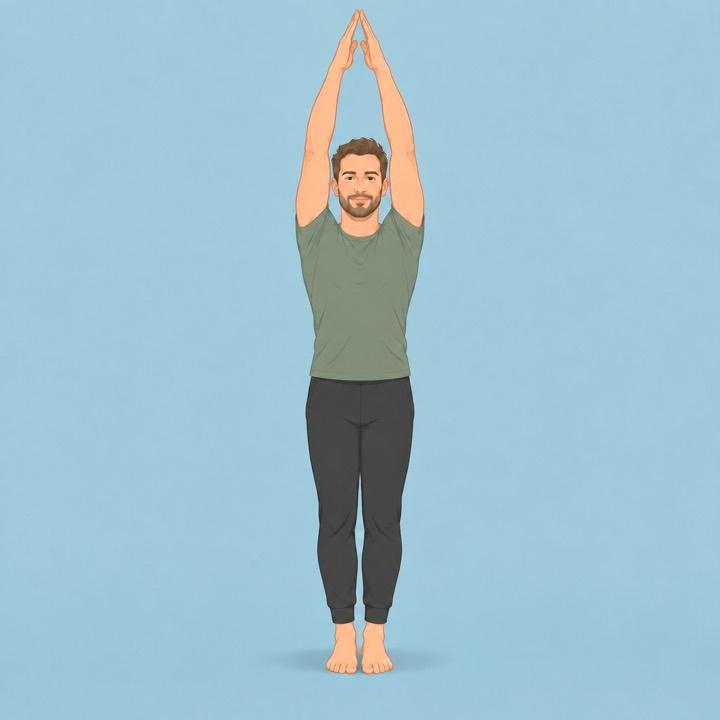
Give the session a place in your day
Choose a specific opportunity, such as the end of a work block, rather than leaving the decision entirely open. Select a routine whose exercise time fits that opportunity, then leave room for setup and position changes.
Keep a smaller option ready
Compare a familiar full session with a shorter catalog option. If the day changes, choosing the smaller option can preserve a practical place for movement without pretending that two different routines are equivalent exercise prescriptions.
Use history as a record
Stretchlet records completed routine activity and time. Minutes, active days and streaks describe activity; they do not directly measure flexibility or health outcomes. Look at whether a routine fits your schedule instead of treating every missed day as a problem to compensate for.
Make the next start straightforward
Keep the movement instructions accessible and check the first position before starting. If changing clothes, clearing space or finding a mat repeatedly prevents you from beginning, compare the catalog's starting positions and choose an option that better fits your environment.
Choose your next step
Explore exercise topics, compare routine sequences, or use Fit my time to select a session length. Read the movement instructions before starting and stop if a movement is painful.