Floor movement
Upward dog
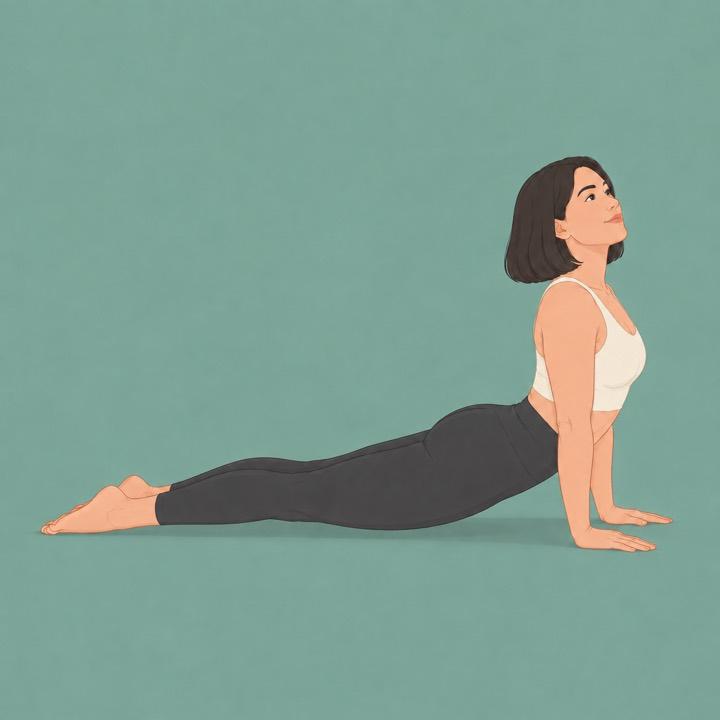
Upward dog is a floor movement commonly used to explore comfortable range through chest, abdomen, shoulders. This web guide explains where it may fit in a routine and how to approach it without treating the illustrated shape as a target.
The quick read
What is Upward dog?
Upward dog is a floor movement used in stretching and mobility sessions. People often include it when they want to bring attention to chest, abdomen, shoulders. Its value comes from how it fits the person and the routine, rather than how closely the body matches a picture.
The illustration offers orientation. Use your own comfortable range and leave room to breathe normally.
Use it well
How to approach the movement
A mat, rug, or folded towel can make floor contact more comfortable. Plan the transition down and back up before you begin, especially if kneeling or balance is difficult.
Enter gradually, pause where the sensation is mild and clear, and come out with the same control. Bouncing, forcing, or holding your breath usually adds effort without making the movement more useful.
Step-by-step instructions
- Lie face down with your palms beside your lower ribs.
- Press through your hands and the tops of your feet to lift your chest.
- Straighten your arms as comfortable, lifting your thighs from the mat.
Helpful cue
Keep your shoulders away from your ears and avoid pinching your lower back.
Make it gentler
For less intensity, keep your thighs down and lift your chest only a little, using a low cobra position.
Movement precautions
Avoid overextending your lower back or loading painful wrists.
Routines that include this movement
Related exercise hubs
Safety
When to choose another option
Stop with sharp pain, tingling, numbness, dizziness, weakness, or symptoms that travel. If you are managing an injury, recent surgery, pregnancy-related concern, joint instability, or persistent pain, ask a qualified clinician how this movement should be adapted.
Explore nearby
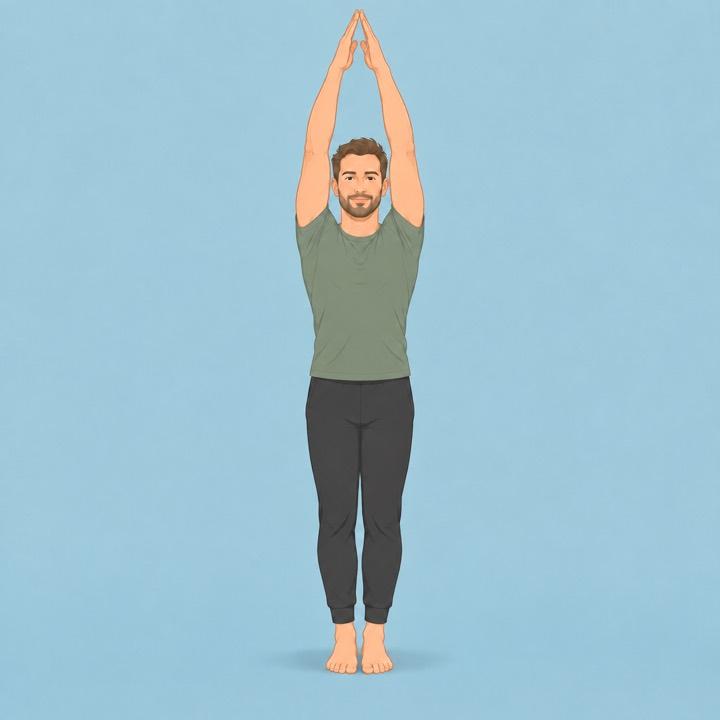 Upward salute
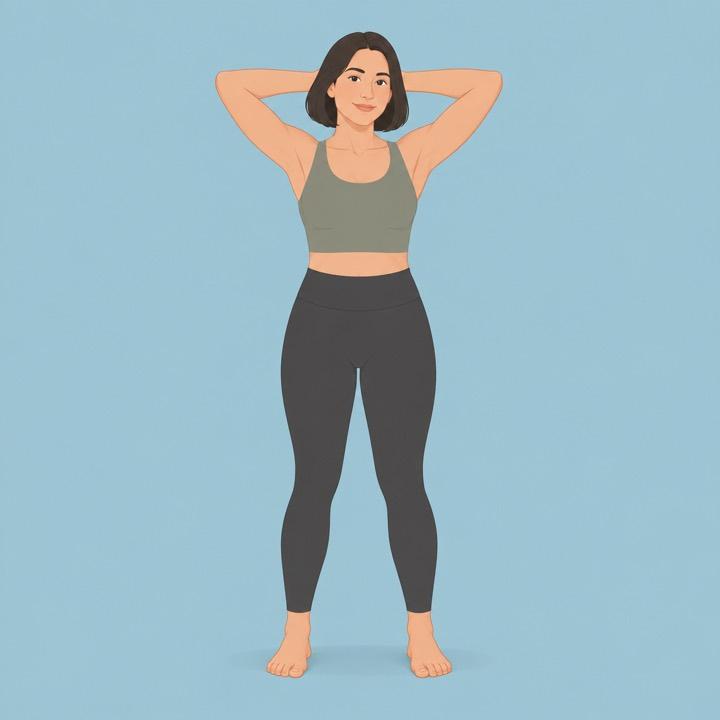 Chest opener standing
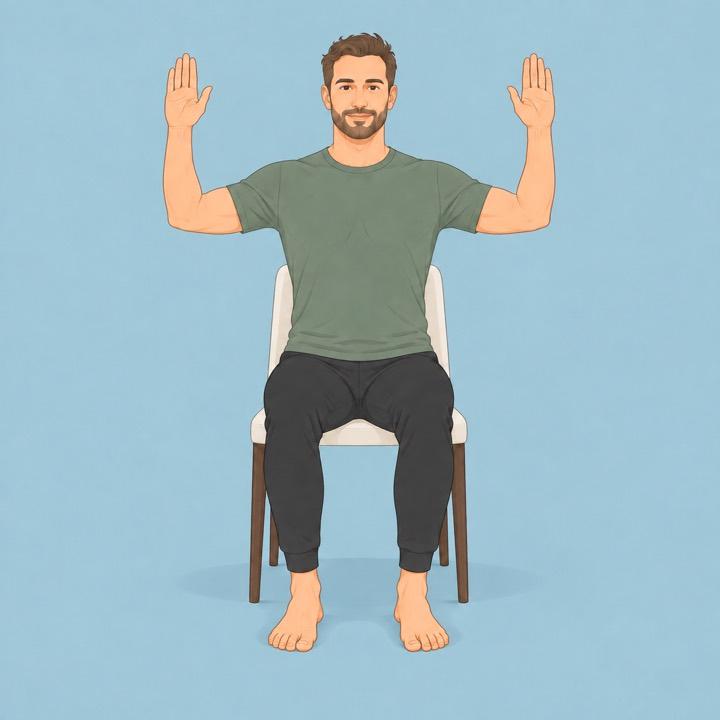 Cactus Arms seated
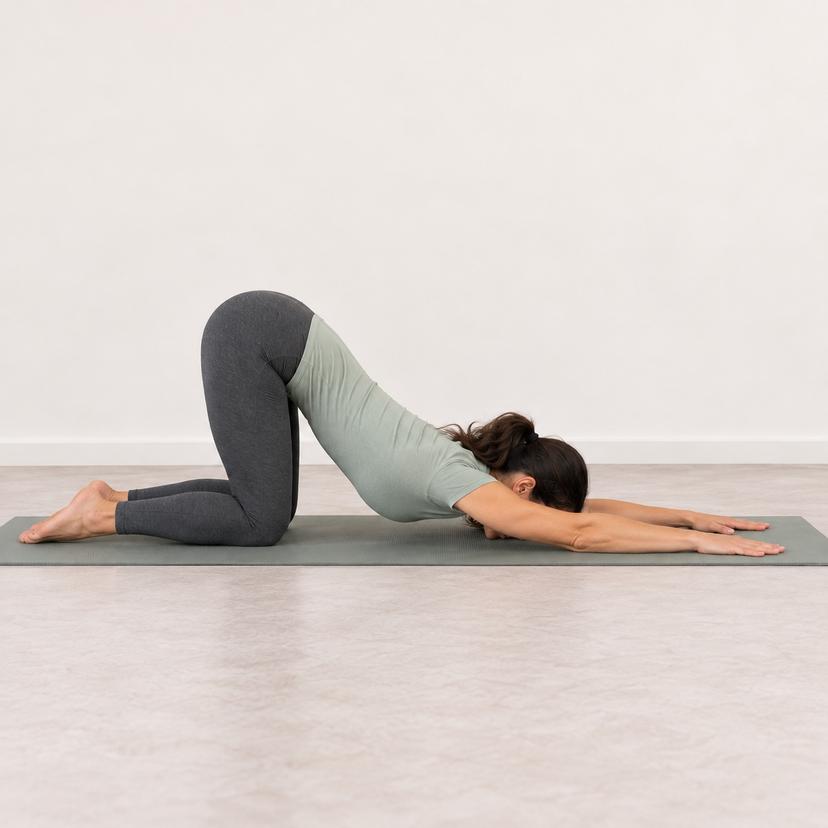 Puppy pose